Análisis de Suelo Agrícola
Explora cómo los equipos aplican el proyecto en diferentes contextos. Estos análisis de demostración aplican un algoritmo simple y preservador de la privacidad a conjuntos de datos de campos individuales en las Islas Azores. Cada tarjeta resume indicadores clave estructurales y de fertilidad derivados de mediciones de suelo sin procesar, sin exponer datos sensibles o granulares. El algoritmo cuenta granjas, campos, eventos de análisis y densidad de medición para crear una instantánea de diagnóstico de alto nivel.
Estos conocimientos básicos ayudan a los equipos a comprender los flujos de datos típicos en el espacio de datos agrícolas, explorar la ejecución de Compute-to-Data y evaluar cómo la información del suelo puede respaldar decisiones sobre fertilización, riego y gestión de cultivos.
Monitoreo de la salud del suelo en un sistema de ensilaje de vacas lecheras (Azores, Portugal)

Este piloto se centra en monitorear la salud del suelo en un sistema de producción de vacas lecheras dedicado al ensilaje de maíz y raigrás en las Azores. Su objetivo principal es evaluar cómo las prácticas de gestión convencionales de altos insumos afectan la calidad del suelo y la actividad microbiana, y establecer una línea base para la transición hacia prácticas regenerativas. El piloto enfatiza el uso de indicadores de suelo medibles para apoyar la toma de decisiones basada en evidencia, asegurando al mismo tiempo que los agricultores conserven la plena propiedad y control sobre sus datos. Más info
Monitoreo de prácticas de pastoreo regenerativo en la cría de cabras lecheras (Beira Baixa, Portugal)

Este piloto se centra en monitorear el impacto de la gestión de pastos regenerativos en un sistema de cría de cabras lecheras en la región de Beira Baixa. Su objetivo principal es demostrar cómo los pastos biodiversos y de baja perturbación mejoran la salud del suelo, la biodiversidad y el ciclo de nutrientes en condiciones mediterráneas. El piloto apoya la adopción de prácticas regenerativas proporcionando evidencia objetiva de la salud del suelo, preservando al mismo tiempo la soberanía de los datos de los agricultores y el control sobre cómo se utiliza su información. Más info
Monitoreo de regímenes de pastoreo y perturbación del suelo en sistemas de ganado de carne (Beira Baixa, Portugal)
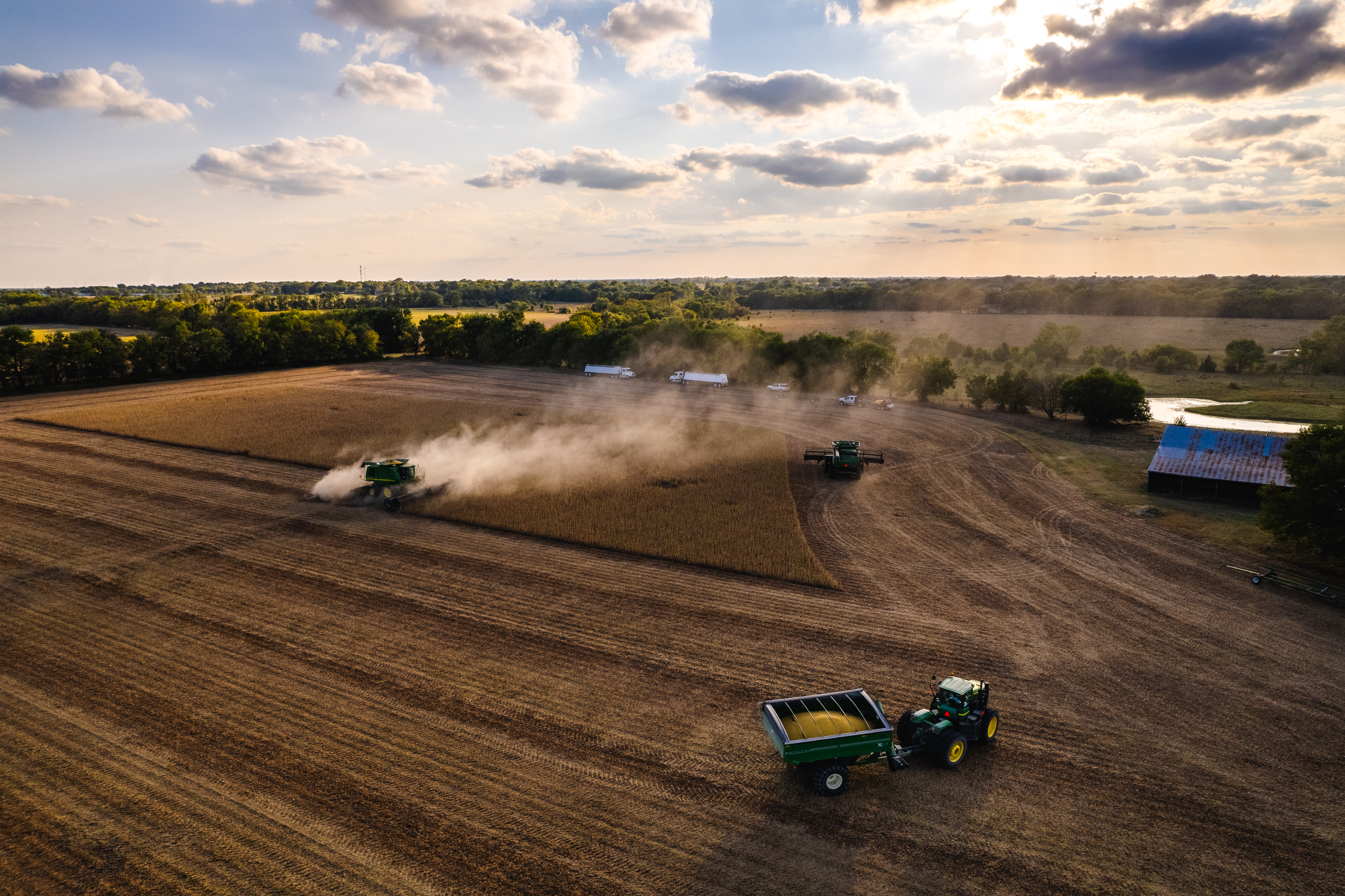
Este piloto se centra en monitorear la salud del suelo bajo diferentes regímenes de pastoreo y perturbación del suelo en un sistema de ganado de carne orgánico en Beira Baixa. Su objetivo principal es comparar parcelas pastoreadas, de siembra directa y no pastoreadas para comprender mejor cómo las elecciones de gestión influyen en la funcionalidad del suelo y las comunidades microbianas a lo largo del tiempo. El piloto permite una evaluación basada en datos de las prácticas de pastoreo regenerativo, asegurando que la propiedad y el control total de los datos permanezcan con el agricultor. Más info
Efecto de los sistemas de pastoreo rotativo y las prácticas regenerativas en la salud del suelo (Alentejo, Portugal)
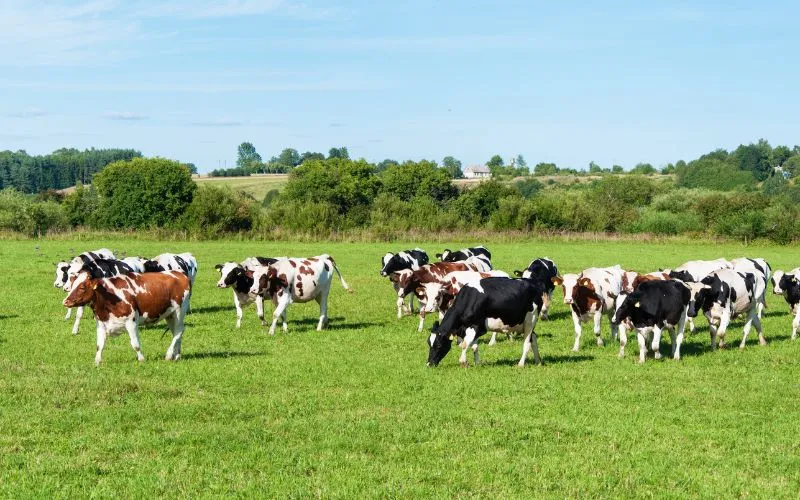
Este piloto evalúa los beneficios del pastoreo rotativo y las prácticas regenerativas a largo plazo en la región de Alentejo. El enfoque se centra en optimizar la eficiencia del pastoreo mediante cercados rotativos para permitir la recuperación de la hierba. El estudio destaca que el pastoreo por sí solo no es suficiente; el análisis y la corrección del suelo son esenciales para restaurar la función del suelo y la productividad a largo plazo. Más info
Análisis comparativo de los regímenes de pastoreo en la salud del suelo (Beira Baixa, Portugal)
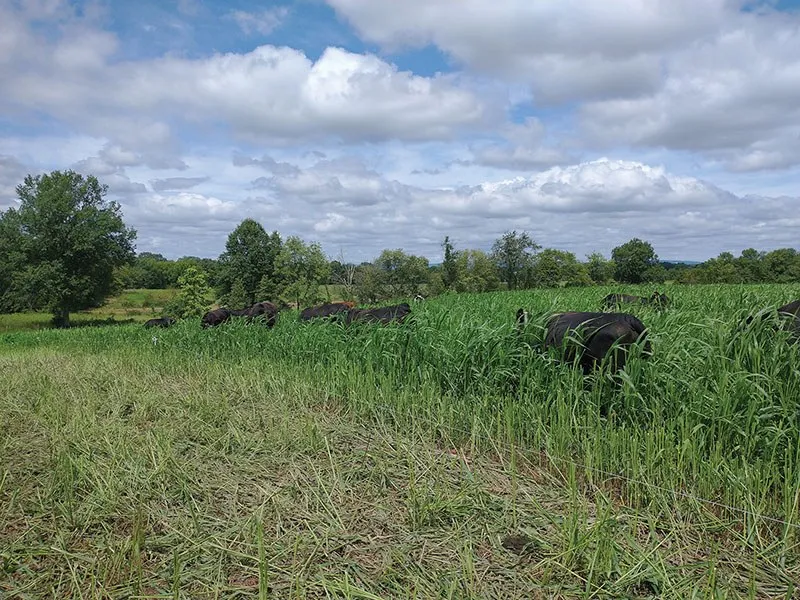
Este piloto compara los resultados de salud del suelo bajo diferentes regímenes de pastoreo en una granja orgánica en Beira Baixa. Demuestra que el manejo orgánico por sí solo no es suficiente para resolver problemas de nutrición y productividad del suelo. El uso de pastoreo adaptativo y técnicas como el bale grazing son esenciales para mejorar la materia orgánica y la disponibilidad de micronutrientes. Más info
Análisis comparativo de diferentes prácticas regenerativas de gestión en diferentes parcelas (Azores, Portugal)
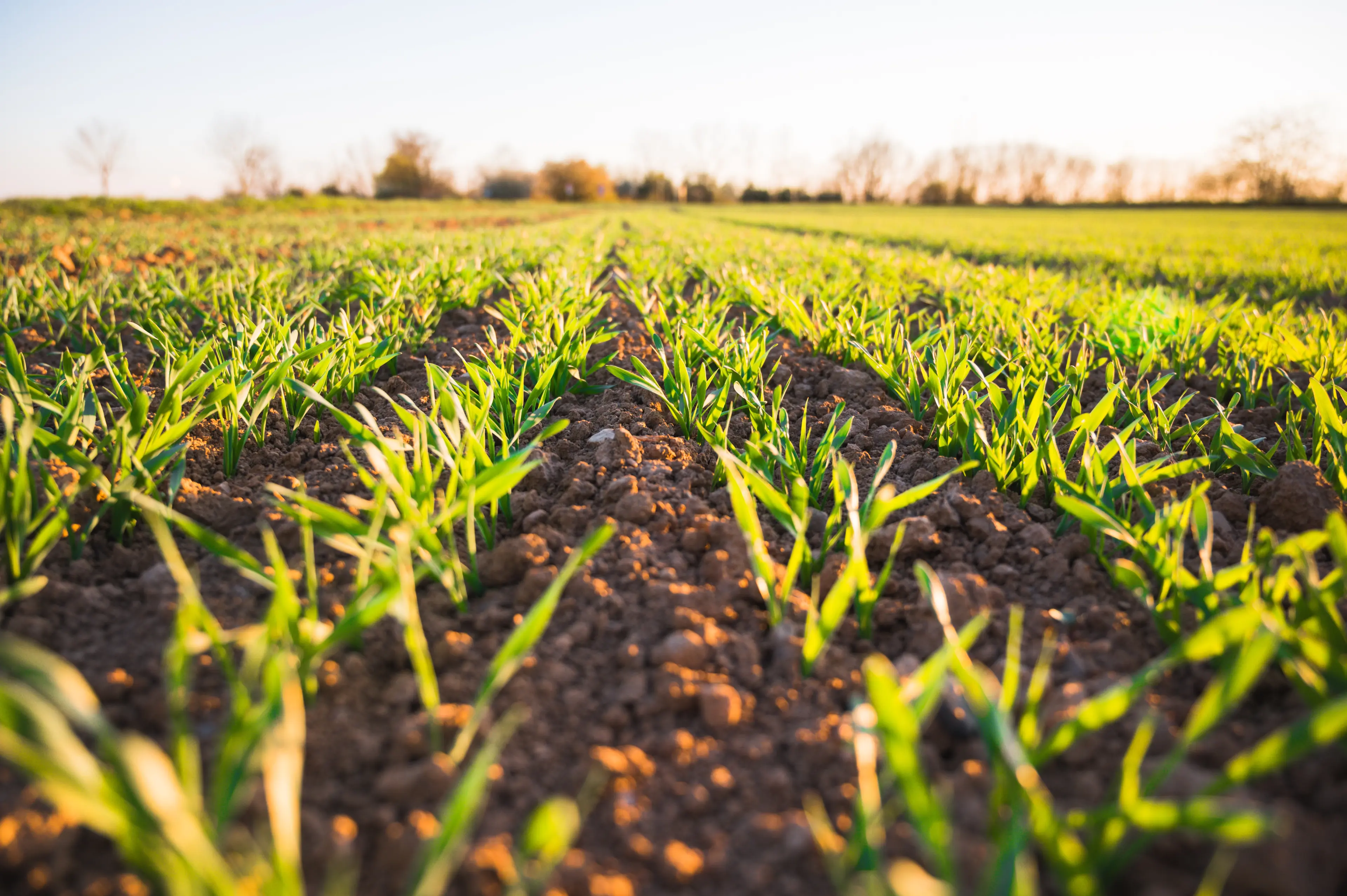
Este piloto explora la variabilidad de las propiedades del suelo y los microambientes dentro de una sola granja en las Azores. Al comparar diferentes prácticas de gestión y la implementación de siembra directa, muestra cómo el análisis de suelo localizado y las prácticas regenerativas son fundamentales para restaurar la productividad y mitigar riesgos bióticos en entornos diversos. Más info
Implicaciones de la introducción del trigo Barbela con cultivos de cobertura (Alentejo, Portugal)
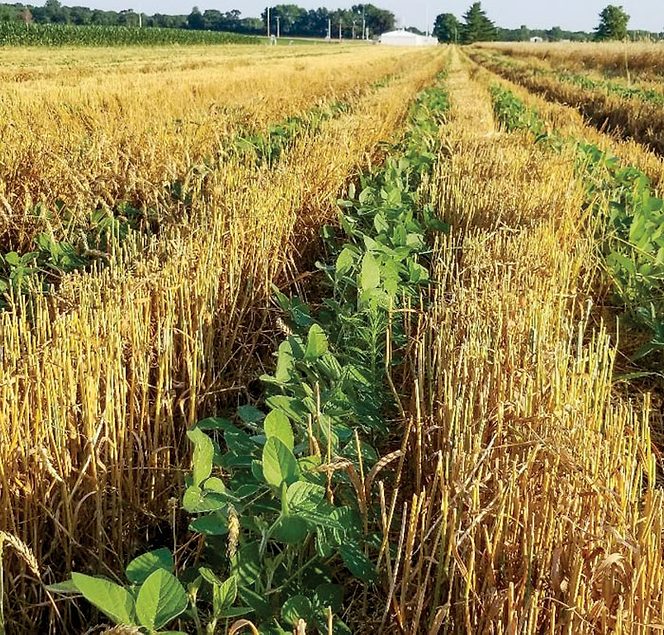
Este piloto evalúa la influencia del trigo autóctono Barbela y los cultivos de cobertura en la salud del suelo en una operación regenerativa en transición en Alentejo. Destaca los beneficios de utilizar especies de cultivos autóctonos y resilientes para mejorar la nutrición del suelo, aumentar el nitrógeno total y reducir la relación C:N, favoreciendo una materia orgánica más activa. Más info
Dataset Extendido Multi-Granja (23 análisis / 9 granjas)
Monitoreo Extendido de Suelo en Múltiples Granjas
Este caso de uso muestra un algoritmo más avanzado diseñado para operar en un conjunto de datos más rico que contiene 23 análisis en 9 granjas. El flujo de trabajo extendido agrega mediciones por granja, campo y fecha, identificando patrones temporales, variabilidad y líneas base de salud del suelo a escala regional.
Al procesar datos agronómicos más diversos (nutrients, estructura, humedad, conductividad, materia orgánica), el algoritmo genera indicadores de comparación entre granjas y tendencias longitudinales. Demuestra cómo la plataforma permite análisis escalables, procesamiento federado seguro y colaboración con soberanía de datos entre múltiples propietarios.
Análisis Basado en Cuestionarios (estudio científico sensible)
Analítica Social y de Percepción Preservadora de la Privacidad (Dataset de Cuestionario)
Este caso aplica nuestro algoritmo simple de datos derivados a un cuestionario de investigación de un estudio científico sobre agricultura regenerativa. Debido a que la encuesta contiene respuestas sensibles y no publicables, el algoritmo produce intencionalmente solo indicadores agregados y no identificativos, como recuentos, distribución de categorías y frecuencias de respuestas.
Los resultados cumplen con los requisitos de protección de datos y permiten la publicación segura de conocimientos sobre actitudes, preocupaciones ambientales, conocimiento de la agricultura regenerativa, percepción de los sistemas alimentarios y aceptación de nuevas tecnologías como blockchain. Este caso demuestra cómo Compute-to-Data puede respaldar estudios científicos al permitir análisis en conjuntos de datos protegidos sin exponer información personal o encuestas sin procesar.